An Island Shaped by Maritime Routes and Empires
Einige Inseln beeindrucken mit ihren Landschaften.
Einige mit ihrem Ruhm.
Und einige — mit ihrer Position.
Korčula gehört zu all diesen Kategorien.
Korčula war nie einfach nur eine Insel auf der Karte der südlichen Adria. Sie war schon immer ein Ort der Begegnung, des Aufbruchs und bedeutender Entscheidungen. Ein Platz, an dem sich über Jahrhunderte hinweg Seewege, Handelsinteressen, Kulturen, Sprachen und der Einfluss großer mediterraner Mächte kreuzten. Zwischen Venedig, Dubrovnik, der Halbinsel Pelješac, dem offenen Meer und dem dalmatinischen Hinterland stand Korčula stets in enger Verbindung mit der Welt.
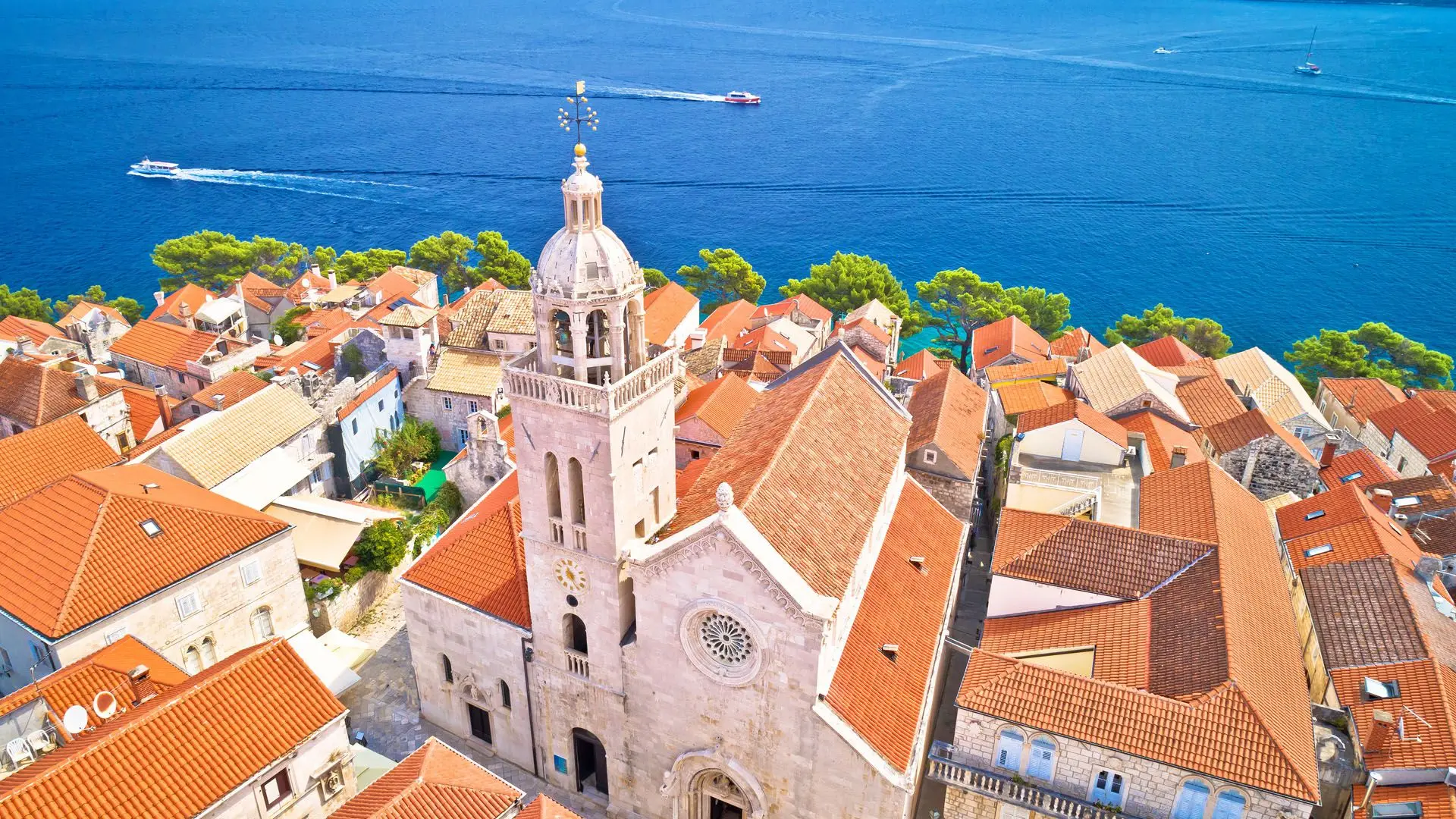 CITY OF KORČULA- OLD CITY DETAIL
Deshalb wurde seine Identität nicht als Landschaft geschaffen.
Sie wurde nicht durch den Tourismus geschaffen.
Noch durch das Bild eines perfekten Sommers.
Sie wurde von der Realität geprägt.
Von Schiffen.
Stein.
Handel.
Wein.
Seefahrern.
Handwerkskunst.
Arbeit.
Und Jahrhunderte mediterranen Alltags.
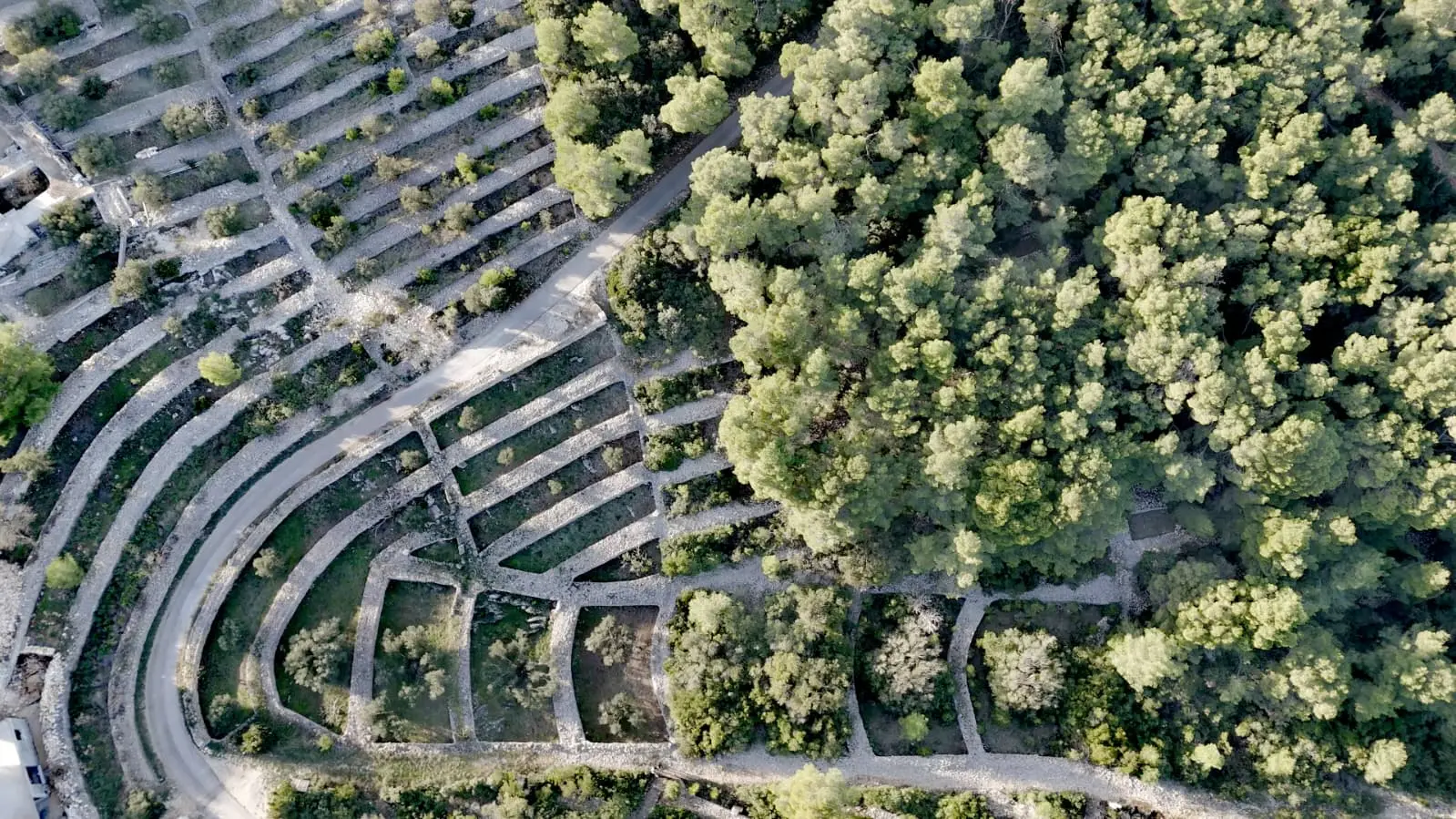 STONEWALLS NEAR VELA LUKA, WESTERN KORČULA
More Than a Destination: A Mediterranean Way of Life
Genau deshalb besitzt Korčula heute etwas, das vielen Reisezielen fehlt — Tiefe. Die Insel ist nicht nur schön. Sie hat Charakter. Sie ist nicht bloß ein Ort der Erholung, sondern ein Ort, der Geschichte, Zugehörigkeit und echte Authentizität spürbar macht.
And perhaps the most interesting thing is that its old logic is now returning — only in a contemporary form.
Once, Korčula was a base for maritime routes.
Today, it is becoming a base for a broader, slower and more refined way of life.
For the contemporary property owner, Korčula is no longer only an island to visit in summer. It becomes a starting point. A private Mediterranean base from which an entire world opens up — the southern Adriatic, Pelješac, Dubrovnik, Mljet, Lastovo, Vis, wine roads, historic towns, island landscapes and the stone-built hinterland of Herzegovina.
This is one of its greatest values.
Korčula offers peace, but not disconnection.
Privacy, but not isolation.
Authenticity, without the feeling of being removed from life.
It is distant enough to preserve a slower rhythm, spatial purity and the intimacy of island everyday life. At the same time, it is connected enough to allow natural access to one of the richest parts of the Mediterranean.
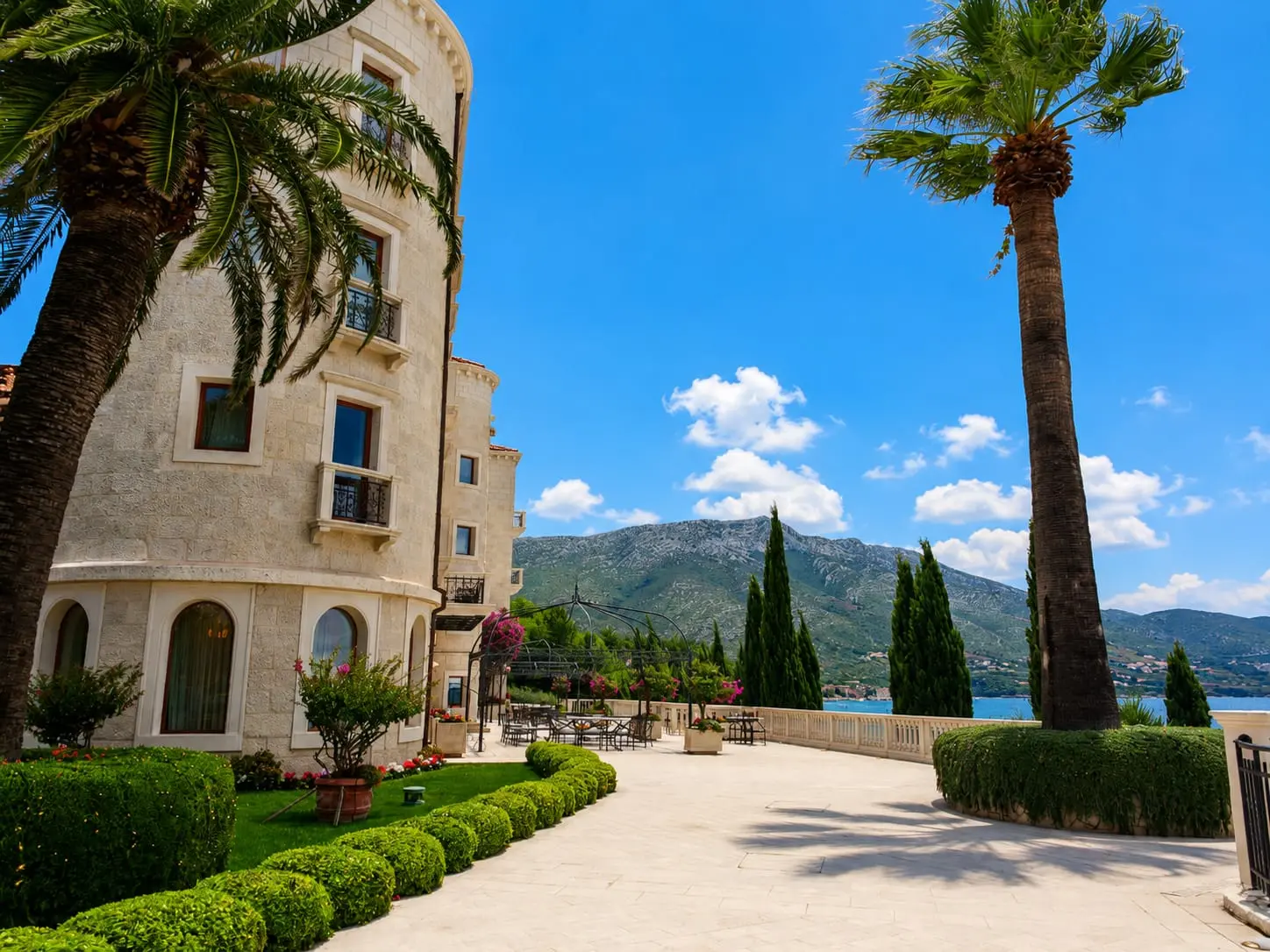 VILLA KORTA KATARINA, PELJEŠAC
Pelješac gives this story a particular strength
A bridge between island and mainland, between wine and sea, between wild coastline and cultivated landscape. Its vineyards, steep slopes, wineries, oysters and gastronomic tradition create a powerful regional identity. It is not merely a neighbouring peninsula — it is an extension of the Korčula lifestyle.
A weekend can begin with coffee in Korčula’s old town, continue with lunch by the sea on Pelješac, followed by a wine tasting at one of its renowned wineries, and end with a return to the silence of one’s own terrace above the sea.
It is precisely this ease of movement that changes the perception of the island.
Ston adds another layer — walls, salt, oysters, the old saltworks and the feeling that history here is not observed from a distance, but lived through the rhythm of the landscape. A small place of great character, close enough to become part of everyday life, yet distinctive enough for every visit to feel like a discovery.
Dubrovnik opens an international dimension
Monumental, globally recognised and strongly connected to the world, Dubrovnik is Korčula’s natural urban counterpoint. It brings an airport, marinas, restaurants, luxury hotels, cultural life and the rhythm of a great Mediterranean city — while Korčula remains a place of return, peace and privacy.
This combination is especially valuable.
Living on Korčula means having an island as a home, and Dubrovnik as the region’s international gateway. It means having access to the world without living in its noise.
From Dubrovnik, Lokrum, the Elaphiti Islands, Konavle and the entire Dubrovnik Riviera open naturally. Every direction brings a different landscape, a different pace, a different experience of the Mediterranean.
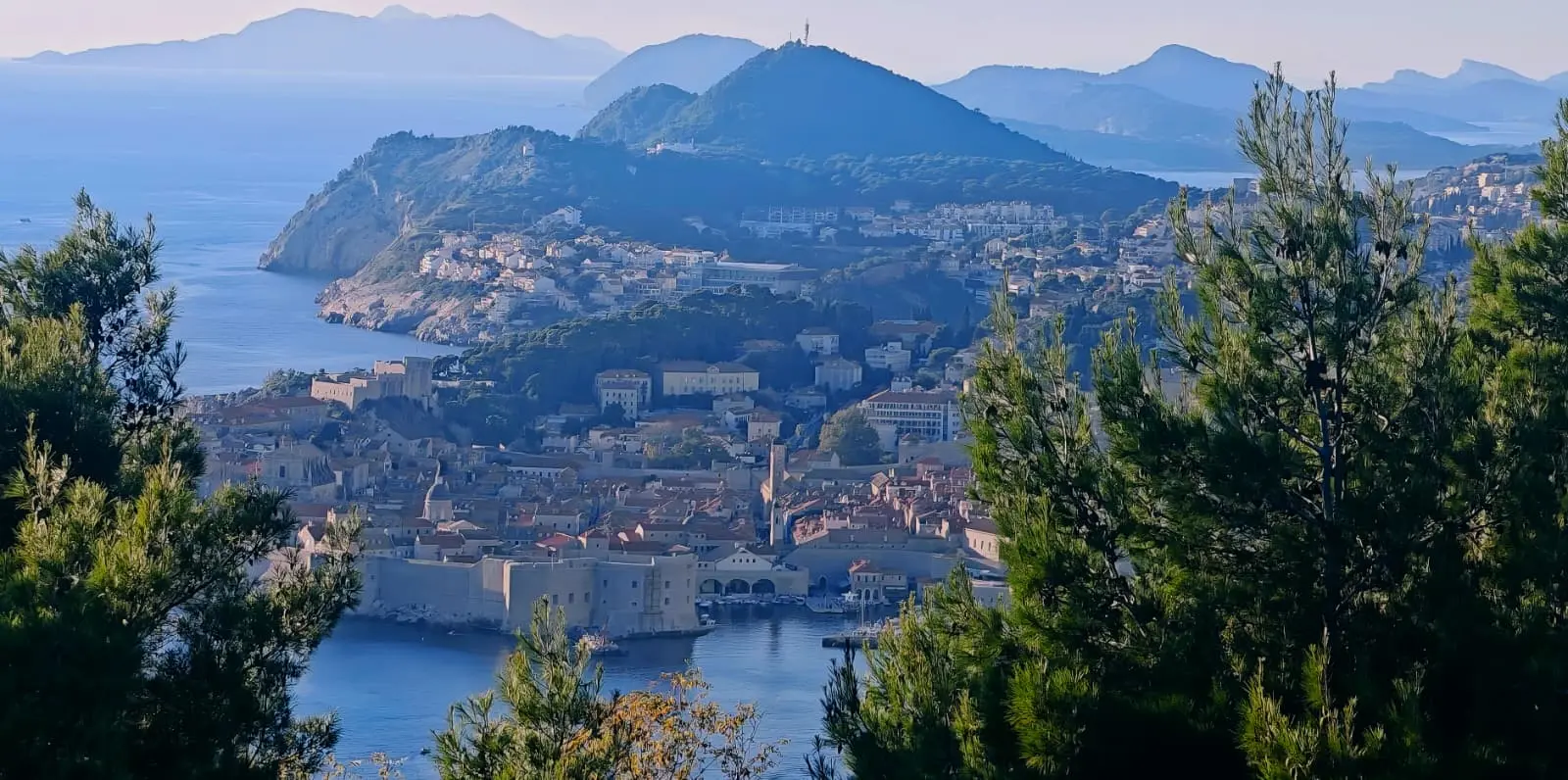 DUBROVNIK- OLD CITY VIEW
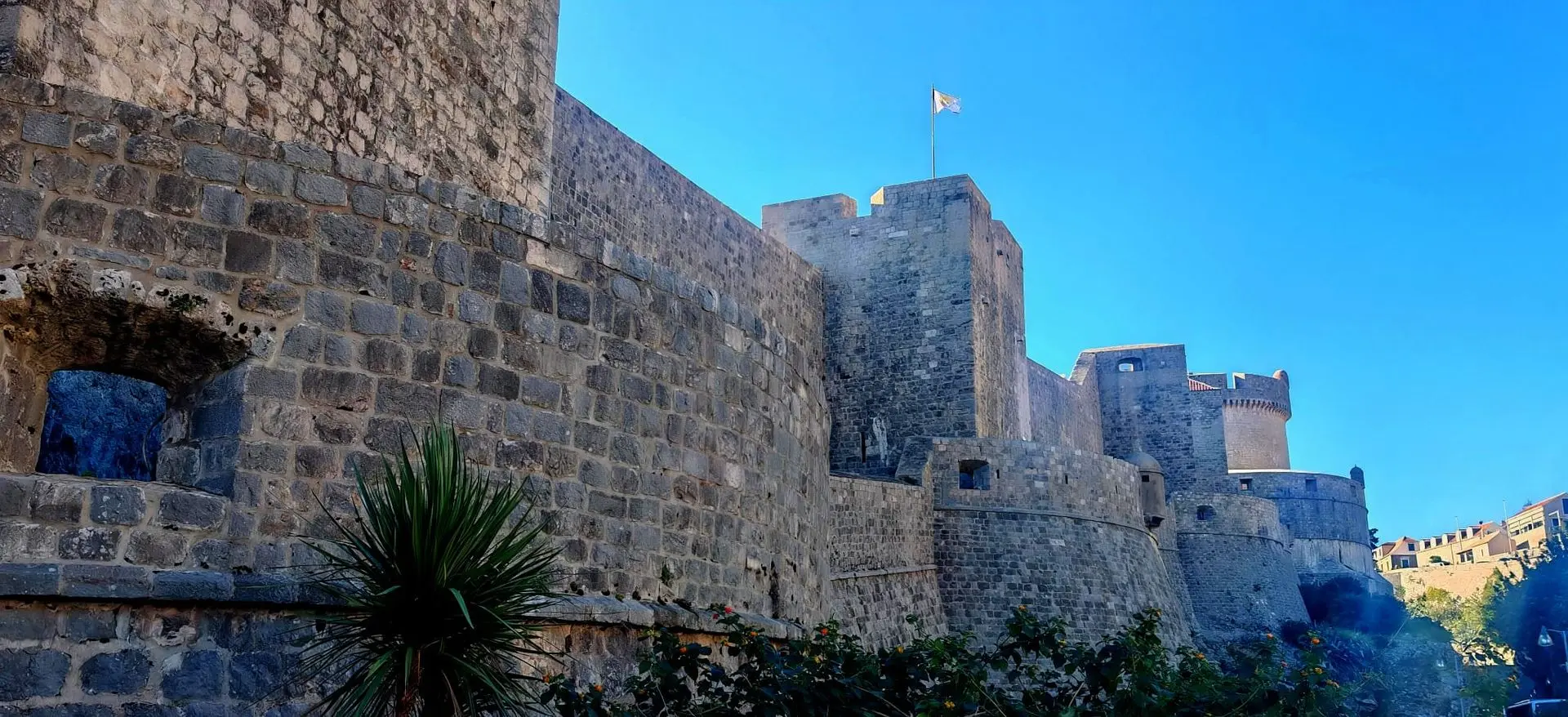 DUBROVNIK- OLD CITY DETAIL
Islands that preserve perhaps the most authentic face of the Adriatic
Mljet brings forests, saltwater lakes and the tranquillity of a national park.
Lastovo preserves an almost untouched relationship between sea, sky and slow island life.
Vis carries the strong character of isolation, military history, hidden coves and a distinct island identity.
From Korčula, these islands are not just distant points on a map. They become part of a wider living space. Destinations for weekends, exploration, sailing, escape and silence.
And this is where Korčula becomes more than an address.
It becomes a base.
A base for the sea.
A base for wine.
A base for islands.
A base for Dubrovnik.
A base for Pelješac.
A base for the hinterland.
A base for a life that is not limited to one location, but shaped by a whole sequence of experiences.
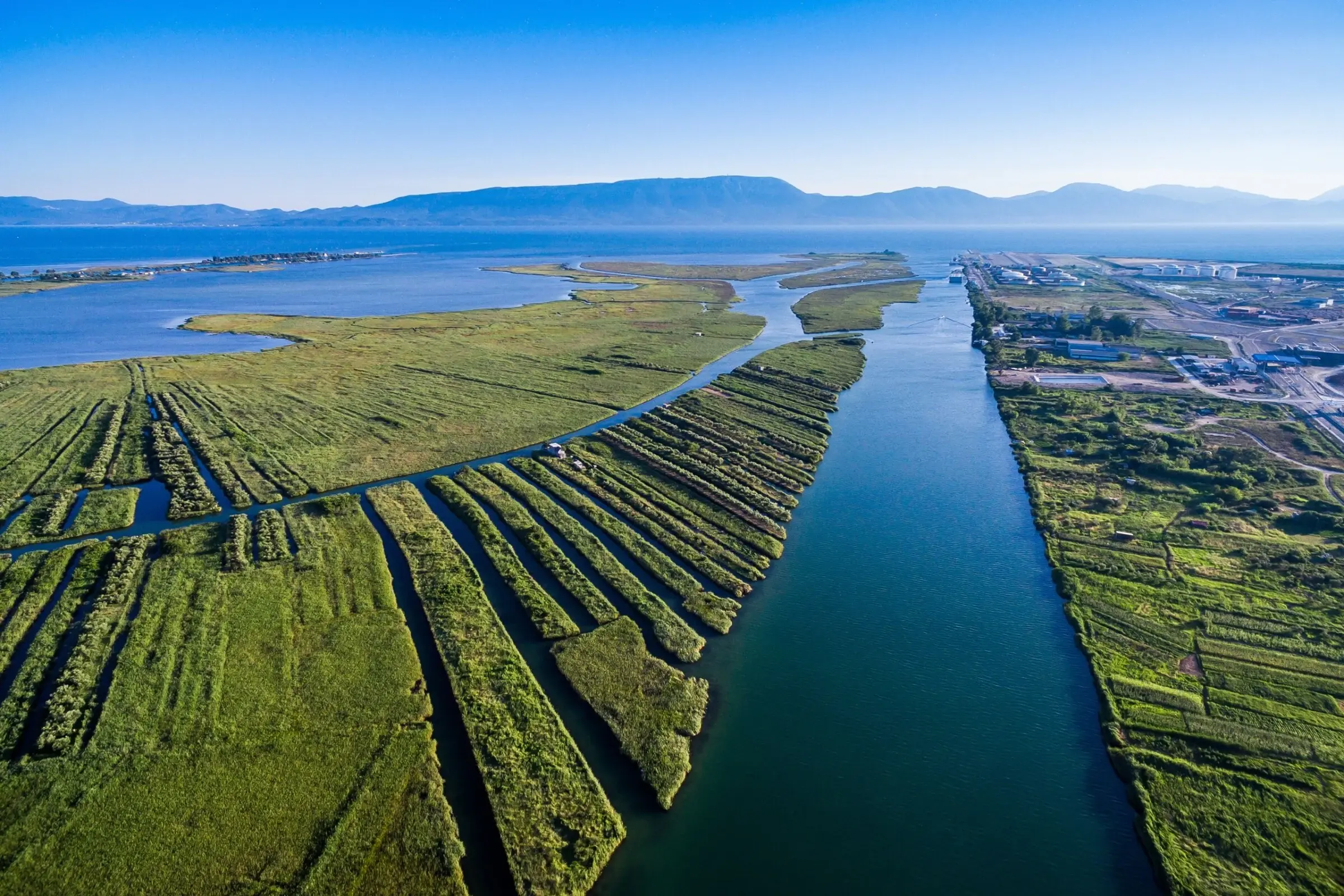 NERETVA VALLEY
Behind the coast lies another dimension — a strong connection to the continental hinterland
The Neretva River Valley adds a completely different landscape to life around Korčula. Wide river landscapes, wetlands, mandarin orchards, traditional boats, bird reserves and the contrast between water, mountains and cultivated land create one of the most distinctive natural environments of the southern Adriatic. It is a landscape that feels entirely different from the islands, yet remains remarkably close.
Together with Herzegovina, Mostar, Počitelj, the Kravice waterfalls, wine roads and the stone landscapes of the interior, the Neretva Valley expands the experience of living on Korčula far beyond the sea itself. In a single day, it is possible to move from island silence to river landscapes, from Mediterranean vineyards to Ottoman stone towns, from the open Adriatic to the green interior of the Balkans.
This is a rare privilege — and one of the reasons why life on Korčula feels so layered, connected and complete.
Life on Korčula is not one-dimensional. It is not only the sea. It is not only summer. It is not only a house with a view.
It is a network of possibilities.
Mornings can be quiet and island-like.
Days can be active, exploratory, maritime or gastronomic.
Evenings can be private, peaceful, almost outside of time.
That is why buying property on Korčula rarely means buying only a property.
It means access to a way of life.
Access to a slower rhythm.
Access to nature.
Access to the sea.
Access to wine and gastronomy.
Access to historic towns.
Access to protected landscapes.
Access to islands that have not yet lost their authenticity.
And perhaps most importantly — access to the feeling that life can be broader, calmer and richer at the same time.
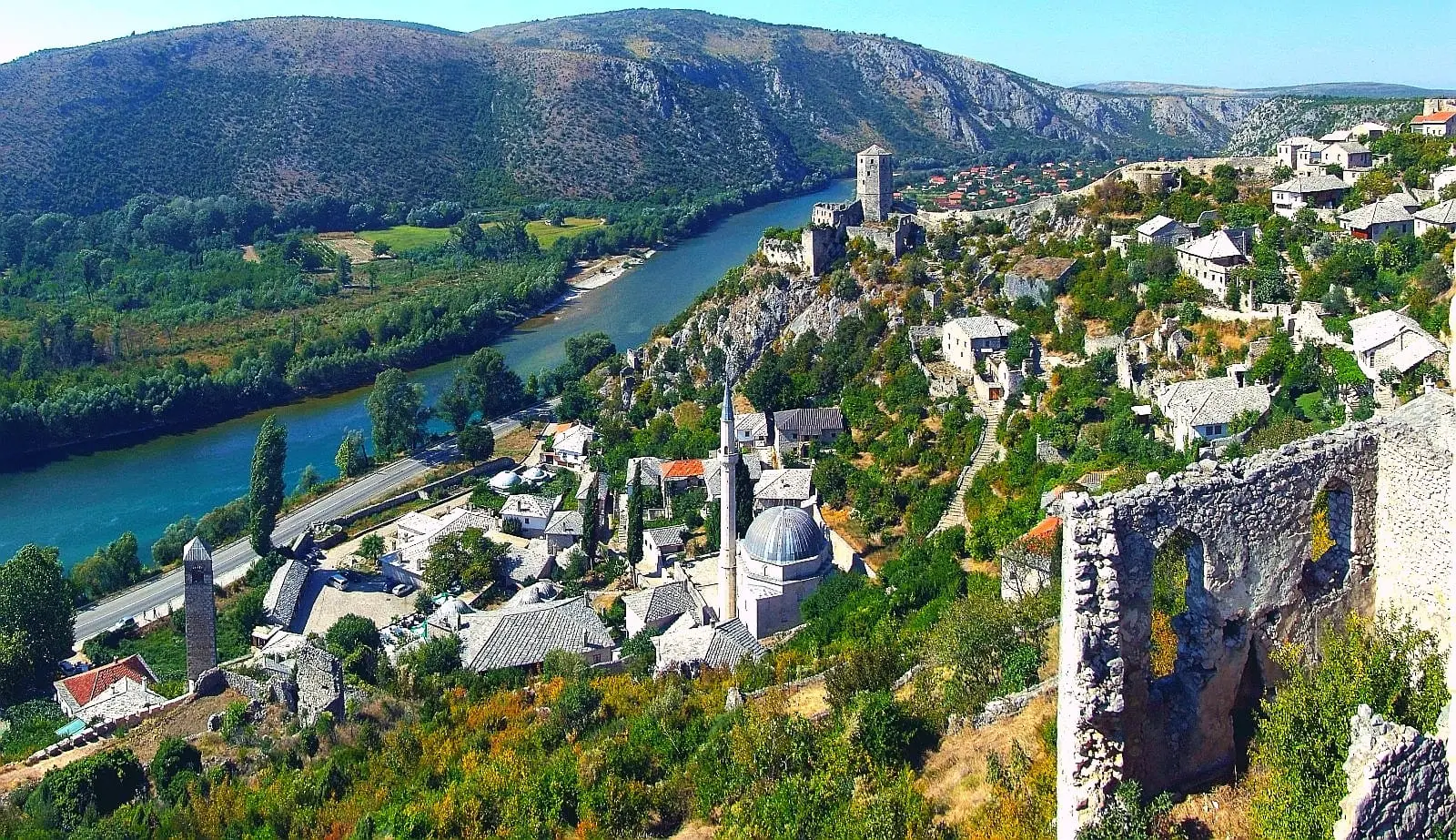 POČITELJ- HISTORIC SETTLEMENT AND FORTIFIED TOWN IN BOSNIA AND HERZEGOVINA
The Island That Was Never Meant to Be Only a Destination
That is why Korčula occupies such a special place in the Mediterranean today.
It is not overstated.
It is not exhausted.
It has not been reduced to a backdrop.
It still has real life, real people, real landscapes and a real rhythm.
Once, it was a strategic point of the maritime Mediterranean.
Today, it is becoming a strategic point of contemporary Mediterranean living.
A place to return to.
A place to move from.
A place to explore.
A place from which the Mediterranean is not merely observed as a destination — but lived as everyday life.
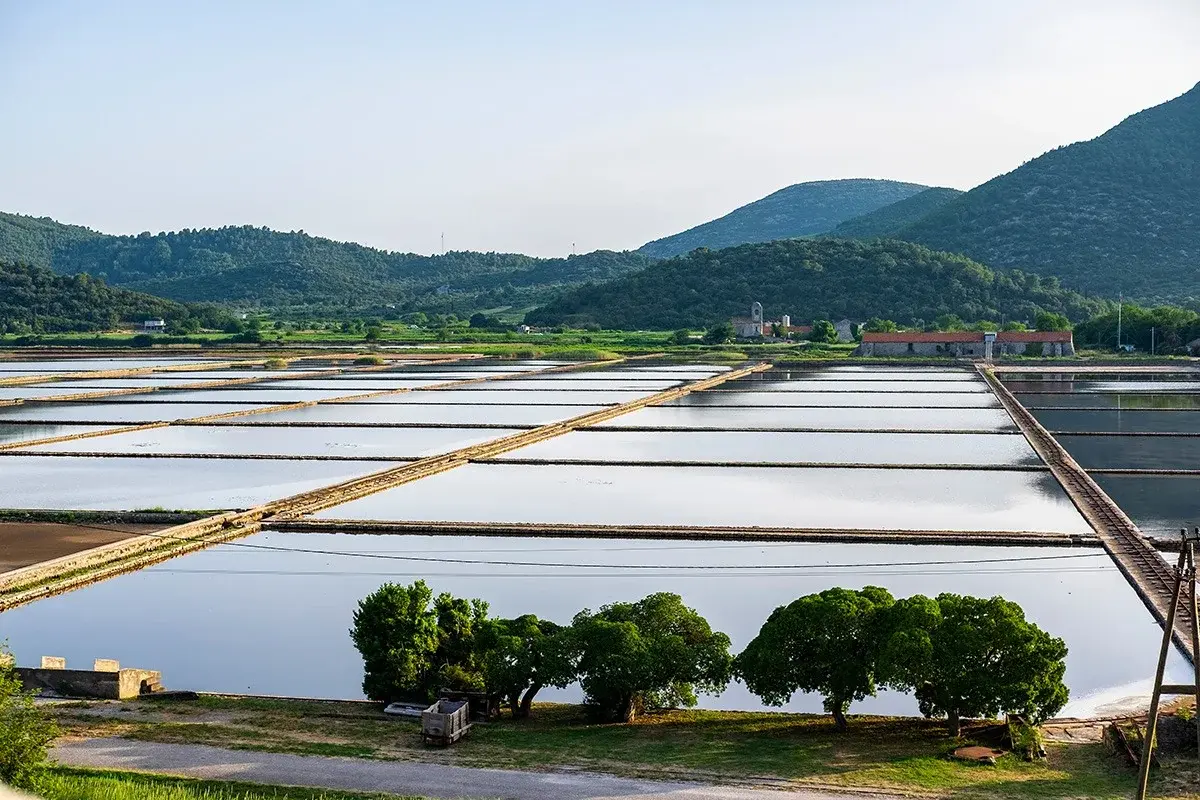 THE ANCIENT STON SALTWORKS